
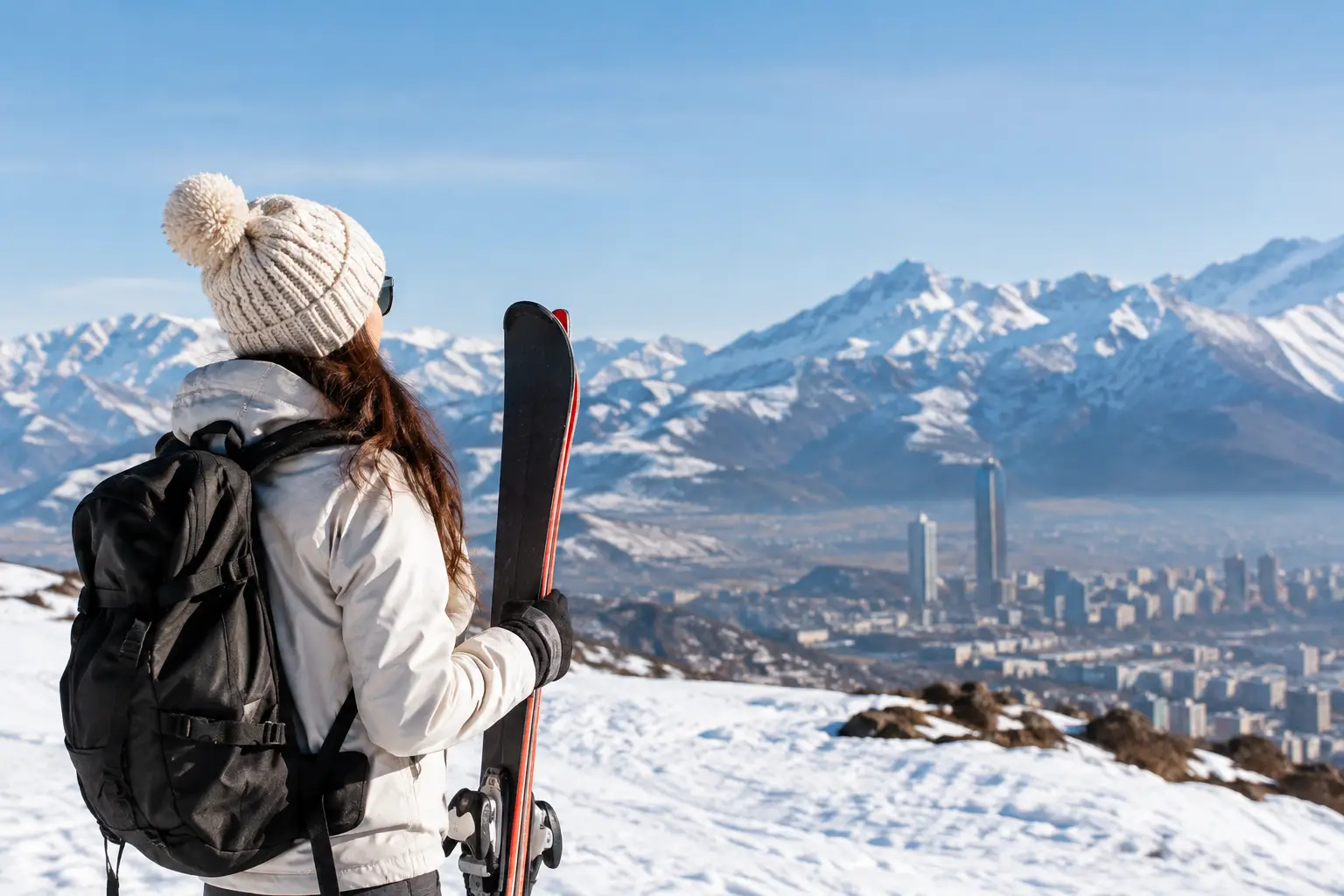
The first decision you make when planning a ski trip in Chile isn’t which slope to choose. It’s deciding where you want to wake up. To understand how to organize a ski trip from Santiago, it’s worth distinguishing between two very different styles: taking day trips from the city or staying on the mountain. This choice affects the pace of your days, your budget, your transportation needs, and even the experience of first-time skiers.
For Brazilians, the proximity between Santiago and the Andean resorts is a major advantage. But proximity doesn’t automatically mean simplicity: mountain roads, snow conditions, access times, and equipment must all be factored into your planning from the start. With the right arrangements in place, the trip becomes hassle-free, and the focus shifts to what really matters: enjoying the snow.
How to Plan a Ski Trip from Santiago
Start by considering the season. The winter season in the Andes typically runs from June to September, with variations depending on snowfall, temperature, and the altitude of each ski resort. July tends to coincide with school vacations in Brazil and higher demand. August often offers a good combination of snow cover, open slopes, and a slightly less crowded atmosphere, though this is never a guarantee.
If consistent snow is your priority, consider the middle weeks of the season. If you prefer potentially lower rates and fewer crowds, June and September can work very well, as long as you’re willing to accept the possibility of limited operations in some areas. For those traveling with children or on fixed dates, booking in advance is especially prudent.
Next, decide how many days on the mountain make sense for your group. A three-night trip may suit those who want to experience the snow and go skiing for one or two days. Four to seven nights, on the other hand, allow for lessons, days to acclimate to the altitude, rest, and flexibility in case of weather changes. First-time skiers tend to enjoy themselves more when they don’t try to cram the entire experience into a single day.
Stay in Santiago or spend the night in the mountains?
There’s no one-size-fits-all answer. Staying in Santiago usually appeals to travelers who want to combine dining, shopping, wineries, and snow on the same trip. On the other hand, trips to the resorts start early and depend directly on road conditions.
Staying up in the mountains offers a more immersive experience. You’re close to the slopes, avoid long daily commutes, and can enjoy the scenery at quieter times of day. It’s a particularly comfortable choice for families with young children, groups with varying skill levels, and travelers who want to ski for several days in a row.
| Travel Profile | Accommodations in Santiago | Accommodations in the mountains |
|---|---|---|
| First-time skiing experience | Works well for a well-planned day trip | More time to rent gear and take lessons |
| Couples on a city tour | Pairs well with tours of the capital | Prioritizes slopes, scenery, and relaxation |
| Families with children | Requires attention to schedules and fatigue | Reduces travel time and makes daily life easier |
| Groups that want to ski for several days | May increase time spent traveling | Offers more actual time on the slopes |
The decision also depends on your budget. At the mountain resort, the daily rate may include perks that simplify your stay, such as proximity to the slopes, meals, or recreational areas, depending on the hotel and the time of year. In Santiago, you need to factor in lodging, round-trip transportation, meals during the day, and travel time to make a fair comparison.
Choose a resort based on its profile, not just the photos
The ski resorts near Santiago offer different experiences. Some are better suited for those seeking extensive infrastructure, others appeal to experienced skiers, and still others are ideal for a first-time experience on the snow. The size of the ski area is important, but it shouldn’t be the only factor.
For beginners, check for the availability of lessons, gentle slopes, on-site equipment rentals, and a well-organized base area. Families should check for children’s activities, dining options, rest areas, and the distance between the hotel and the lifts. More advanced skiers and snowboarders may place greater emphasis on altitude, the variety of runs, and the connections between different sectors.
It’s also worth distinguishing between a ski-focused trip and a recreational visit to the snow. Those who just want to have fun, enjoy the scenery, and take photos may need different amenities than those planning to use their lift pass for several days. Explaining this purpose at the time of booking helps avoid purchasing services that don’t meet the group’s expectations.
Transportation: The Detail That Defines a Day of Skiing
The journey from Santiago to the Andes Mountains is part of the trip, but it requires planning. In winter, sections of the road may have ice, snow, and traffic restrictions. Under certain conditions, vehicles must use snow chains, and access routes may be altered for safety reasons.
For this reason, for most international visitors, a private or shared transfer is more practical than driving on their own. Drivers familiar with the route know the mountain protocols, monitor road conditions, and help alleviate concerns about parking, snow chains, and navigation. A private transfer is usually a good option for families and groups who value more flexible schedules; a shared transfer works well for those seeking convenience and a better cost-sharing arrangement.
Avoid scheduling a return flight for the same day you’ll be leaving the mountain. Weather changes can affect travel time. Spending a night in Santiago before your international departure gives you a comfortable buffer and allows you to wrap up your vacation without rushing.
Book the components in the right order
Accommodations are usually the first item to run out of availability, especially during July vacations and on weekends. After confirming your dates, move on to transportation, ski days, lessons, and equipment. This sequence protects your itinerary from scheduling conflicts or a lack of facilities at your desired resort.
When evaluating a package, confirm exactly what’s included. “Access to the snow” isn’t necessarily the same as a pass for lifts and slopes. Similarly, transportation may only cover the route between the airport and the hotel, or it may include daily transfers to the resort. Read the terms and conditions for each service and check whether specific rules or rates apply to children.
A specialized agency like ChileanSki can coordinate lodging, transfers, and mountain services in a single booking, which reduces the need for separate contacts and makes it easier to make adjustments before the trip. For those who don’t speak Spanish, having support in Portuguese also helps with questions about schedules, luggage, and arrival at the hotel.
Equipment and Clothing: What to Bring from Brazil
It’s not necessary to buy skis, a snowboard, and boots for your first trip. Renting at your destination is the most practical option, because the correct fit of the boots affects both comfort and safety. Reserve your rental in advance during peak seasons and provide your experience level, age, and approximate size for each participant.
As for clothing, this deserves special attention. The key isn’t to wear a single, very thick garment, but to dress in layers: a thermal layer next to the skin, a warm layer, and a waterproof outer layer. Waterproof gloves, appropriate socks, sunglasses, and lip balm make a real difference on cold, dry days.
Avoid wearing jeans when playing in the snow or skiing. When they get wet, they trap the cold and become uncomfortable. If you don’t have suitable pants and a jacket, you can check rental options, but be sure to confirm availability and sizes before you arrive.
Altitude, Children, and the First Few Days
Altitude can take those arriving directly from sea level by surprise. Mild headaches, fatigue, and shortness of breath may occur, especially during your first experience in the mountains. Stay well-hydrated, eat light meals, limit alcohol consumption at first, and don’t turn your first day into a marathon on the slopes.
When traveling with children, the best strategy is to allow time for breaks. A short lesson, a moment to play in the snow, and a stop for hot chocolate can be more rewarding than insisting on numerous runs. It’s also essential to follow the instructors’ guidance and check the minimum age requirement for each activity.
Frequently Asked Questions
Do I need to know how to ski to go on a ski trip from Santiago?
No. Many resorts offer beginner areas, lessons, and recreational activities. However, to really learn and enjoy the slopes, a lesson on the first day is highly recommended.
How many days of skiing are ideal for beginners?
Two or three days usually provide a more enjoyable experience than just one day. The first day is dedicated to getting used to the conditions, while the following days allow you to gain confidence and practice basic movements.
Is it worth taking a day trip from Santiago?
It’s worth it for those who have only a few days or want to combine skiing with a city visit. Still, it requires an early departure, a late return, and flexibility regarding road conditions. For multiple days of skiing, staying at the mountain generally offers more comfort.
Can I count on snow any time during the winter?
The season depends on the weather, and no resort can guarantee the same conditions every week. Traveling in the heart of winter and checking the resort’s conditions before departure increases predictability.
A good ski trip begins before the first chairlift ride: with realistic dates, services tailored to the group, and a little leeway for the mountain’s weather. Once the logistics are sorted out, you’ll have time to enjoy the silence of the mountains, the white landscape, and that first run that makes the trip worthwhile.


