
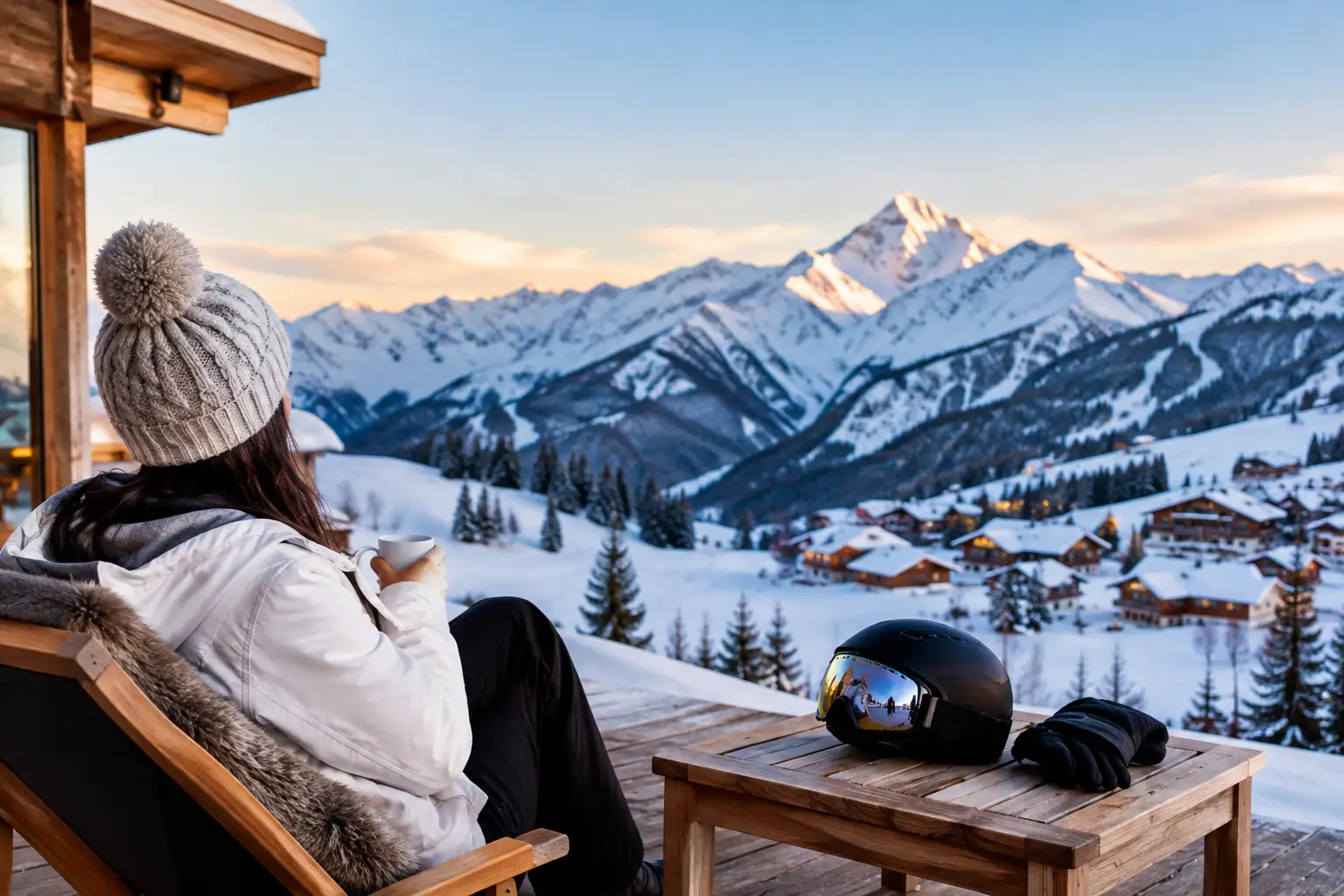
The answer to how many nights to stay at a ski resort doesn’t depend solely on how many days you want to ski. In the Chilean Andes, the ideal length of stay must also take into account the travel time from Santiago, acclimatization to the altitude, the group’s pace, and the desire to enjoy the mountains without turning the vacation into a marathon. For most Brazilian travelers, three to five nights strike the best balance between snow, comfort, and rest time.
A short stay can work very well for those who are already familiar with the snow or want to combine a trip to the mountains with a few days in Santiago. On the other hand, families with children, beginners, and first-time visitors tend to enjoy their trip more when they book at least four nights. This allows time to learn, repeat favorite runs, and deal with unexpected weather changes without feeling like the trip ended too soon.
How Many Nights to Stay at a Ski Resort in Chile
Think of your trip in terms of nights’ stay rather than just days of skiing. Upon arriving at the ski resort, you may encounter traffic on the way up, mountain weather, or specific schedules for check-in, equipment rental, and lessons. When leaving, it’s also advisable to allow plenty of time for the return trip, especially during peak weeks.
Two nights fit a very straightforward itinerary: arrival, a full day on the slopes, and return. It’s a good choice for couples with limited time or experienced skiers who want to add a mountain experience to a longer trip through Chile. The key point to note is that any change in visibility, wind, or fatigue can significantly reduce your enjoyment.
With three nights, the itinerary takes on a different pace. This usually allows for two days of skiing, snowboarding, or playing in the snow, without your first experience with the altitude dictating the entire trip. For a first visit, this is already a very appealing length of stay, especially when accommodations are right in the center or very close to the slopes.
Four or five nights are usually the safest bet for a winter vacation. It’s enough time to take lessons, rest your legs, explore different areas of the mountain, and plan a more relaxed afternoon at the hotel. It’s also ideal for families: kids don’t always want to spend the whole day on the slopes, and adults don’t have to choose between watching the little ones and enjoying the skiing.
Six nights or more make sense for those who see skiing as the main activity of the trip. Intermediate and advanced skiers can explore at their own pace, while mixed groups can organize days at different paces. This length of stay is also ideal for those who want to include relaxation, fine dining, and moments of contemplation, without giving up several days on the slopes.
| Trip Profile | Recommended Length of Stay | What’s typically included in the itinerary |
|---|---|---|
| Extended day trip or experienced traveler | 2 nights | 1 full day of snow |
| First-time couple | 3 nights | 2 days of activities and a more relaxed acclimatization |
| Family or group with beginners | 4 to 5 nights | Lessons, breaks, practice, and free time |
| Dedicated skiers | 6 to 7 nights | Several days on the slopes and a relaxed schedule |
What Determines the Ideal Trip Length
Your skill level on the slopes
Those who have never skied or snowboarded tend to underestimate the value of the second and third days. On the first day, the focus is on understanding the equipment, proper posture, the lifts, and basic movements. The next day, many students begin to gain real confidence. On a trip lasting just two nights, a long lesson, fatigue, or a morning spent adjusting can take up a large part of that experience.
For beginners, four nights are particularly ideal. They allow you to alternate between lesson time and rest, and prevent you from trying to learn too quickly. This improves not only your progress but also your safety and enjoyment.
Experienced skiers can pack more activities into fewer days, but should still take their physical condition into account. The altitude, the cold, and a more intense time on the slopes are more tiring than a city trip. Setting aside a free afternoon isn’t a waste of time: it might be just what keeps the group energized to enjoy the next day.
The Group’s Composition
On a trip with friends who have similar experience levels, three nights can go a long way. Everyone wakes up early, chooses suitable runs, and decides together when to call it a day. With families, the dynamic is different. Children may have lessons at their own times, need breaks for snacks, or prefer to play in the snow after a few runs.
For groups with both skiers and non-skiers, accommodations become even more important. A stay of four nights or more allows everyone to enjoy the mountain in their own way, without the pressure to fill every day with the same activity. This is one of the reasons why hotels and apartment hotels near the slopes are so convenient.
Altitude, Climate, and Logistics
Chilean ski resorts are located at high altitudes, and each traveler reacts differently. Drinking water, getting a good night’s sleep, and avoiding an overly intense first day help with acclimatization. Arriving a little early, rather than trying to ski right after a long trip, usually makes a difference.
The weather also calls for flexibility. Days with clear skies can be excellent, while strong winds or low visibility may restrict access to certain areas of the mountain. Booking a longer stay doesn’t guarantee perfect conditions, but it does offer options. If a day turns out to be less favorable, you won’t feel like you’ve missed your only chance to hit the slopes.
During peak season, transportation planning deserves special attention. Mountain roads may have vehicle restrictions and heavy traffic at certain times. Therefore, including a coordinated shuttle service and well-located accommodations reduces stress, especially for those traveling with children, bulky luggage, and equipment.
How to Plan a Four-Night Stay
Four nights is a practical benchmark because it works well for a first experience in the Andes. On the day of arrival, it’s best to check in, organize your clothes and gear, and explore the surroundings without draining your energy for the next day. If you have time, a light hike and an early dinner will help your body adjust to the mountain rhythm.
On the second day, start with a lesson or on slopes suited to your skill level. Don’t try to get your money’s worth by staying on the slopes until you’re completely exhausted. A lunch break and returning to the hotel at a reasonable hour make the experience more enjoyable.
The third day is usually the most productive for beginners and very enjoyable for those who already have some experience. That’s when the group is most accustomed to the routine, has a better understanding of the mountain, and can choose activities with greater autonomy. Weather permitting, this is a great time to explore new runs or combine skiing and snowboarding with breaks.
On the fourth day, keep the schedule open. It could be another full day on the slopes, a short morning followed by rest, or an activity geared toward children. On the fifth morning, before heading home, prioritize an organized check-out and a stress-free transfer. This simple plan reduces the risk of turning a special trip into a series of tight schedules.
Is it worth staying at the ski resort?
For stays of two or three nights, staying at the ski resort itself or very close to it almost always pays off in terms of convenience. You eliminate daily commutes, wake up more leisurely, and can return to your lodging whenever someone in the group wants to rest. In mountain destinations, this proximity offers real value—not just added comfort.
For four nights or more, the decision depends on your budget and travel style. Mountain lodging offers immersion, easy access to the snow, and stunning scenery. On the other hand, spending part of the trip in Santiago can be an appealing option for those looking for restaurants, city tours, and a more gradual introduction to Chile.
The best itinerary isn’t necessarily the longest one. It’s the one where the number of nights aligns with the group’s expectations and leaves room for what doesn’t fit on a spreadsheet: time to put on your boots, a tired child, a day of snowstorms, or that view that makes everyone decide to stay a few more minutes on the mountain.
Frequently Asked Questions
Are three nights enough for skiing in Chile?
Yes. Three nights usually allow for two days of activities on the snow and work well for couples, friends, or travelers on a tight schedule. For beginners, the experience will be more comfortable if they take lessons and follow a relaxed schedule.
How many nights are best for a family with children?
Four or five nights are recommended. This timeframe allows you to accommodate the children’s pace, include lessons, breaks, and leisure time off the slopes, without cutting into the time spent on the snow too much.
Is it better to arrive a day before skiing?
Whenever possible, yes. Arriving, resting, and getting your gear organized before your first day on the slopes helps you acclimate to the altitude and prevents you from starting your activities already tired from the trip.
Is it worth booking seven nights even if you don’t ski every day?
It’s worth it for those seeking a complete mountain vacation. With a week, you can alternate days of skiing with rest, lessons, family activities, and experiences at the hotel. The ChileanSki team can help organize this combination of accommodations, access, and transfers according to your group’s needs.
When choosing the length of your stay, it’s best to add an extra night if you’re unsure. In the mountains, this extra time usually translates to greater peace of mind, better decisions, and memories that don’t have to be rushed.


