
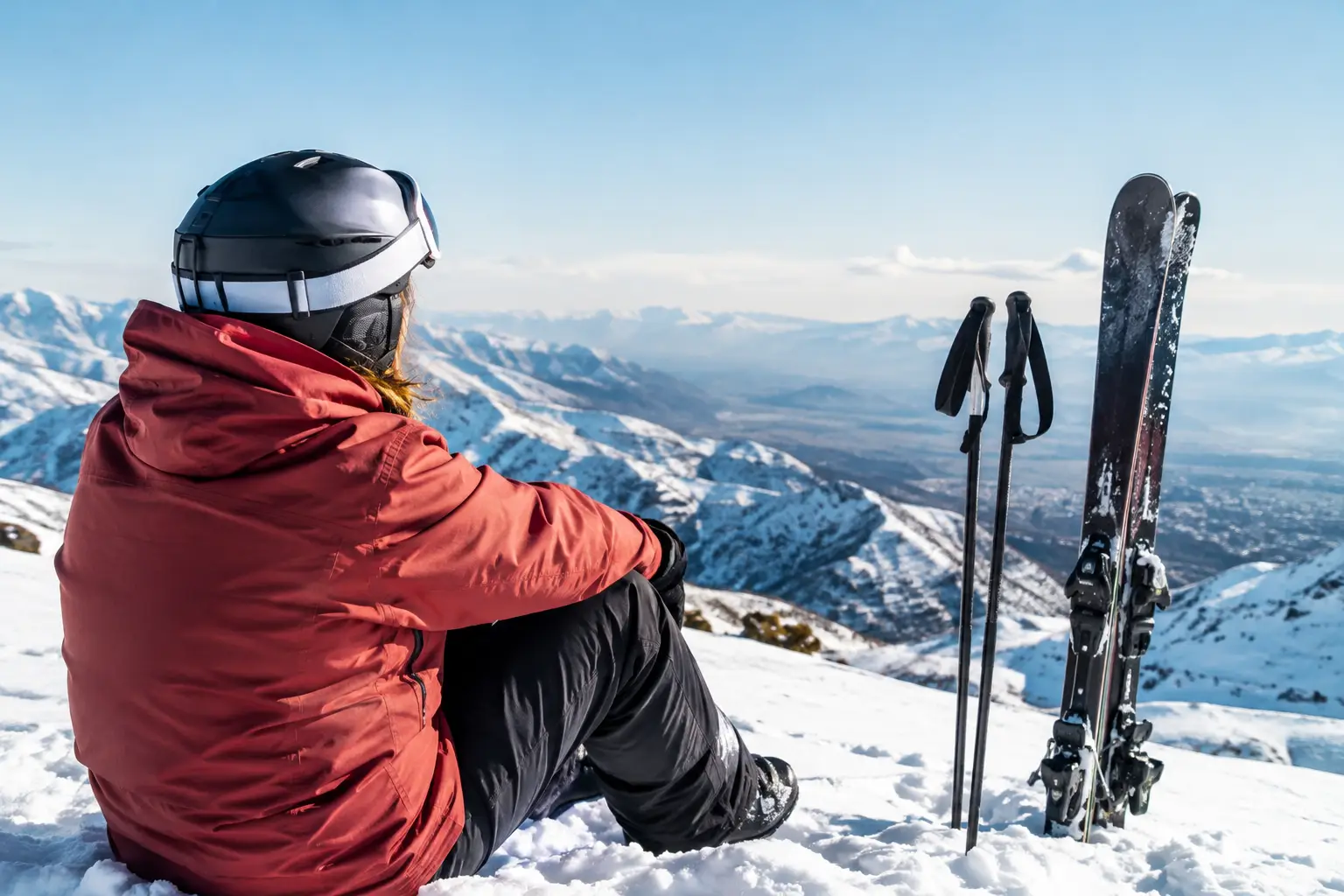
The answer to how many days to spend in Santiago for skiing changes quite a bit when you swap the spreadsheet for the reality of the mountains. A three-night itinerary might work for those looking for their first experience on the snow. But to ski at a leisurely pace, account for possible weather changes, and still explore Santiago, it’s usually best to book five to seven nights.
The most common mistake is to count only the days spent on the slopes. In the Andes, the trip also involves travel time, altitude adjustments, picking up and returning equipment, lessons, rest, and a buffer for weather conditions. Planning for a few extra days isn’t overkill—it’s what turns a rushed trip into a real vacation.
How Many Days in Santiago for Skiing: The Ideal Length
For most Brazilian travelers, six nights is the most comfortable balance. This timeframe allows you to arrive in Santiago, spend the night in the city or head to the mountains depending on your flight schedule, enjoy three or four days of skiing, and have one or two free days for restaurants, wineries, shopping, or simply relaxing.
Experienced skiers who want to make the most of the slopes may prefer seven nights or more, especially when staying at a mountain hotel. Families with children, beginners, and groups where not everyone will ski every day tend to enjoy a more relaxed pace better, with at least five nights.
| Trip Length | Best for | How to make the most of it |
|---|---|---|
| 3 to 4 nights | Winter day trips and first-time experiences | 1 to 2 days of skiing, with a little time for the unexpected |
| 5 nights | Couples and groups with a set itinerary | 2 to 3 days of skiing and some time in Santiago |
| 6 to 7 nights | Most travelers | 3 to 4 days of skiing, acclimatization, and a leisurely city tour |
| 8 nights or more | Families, frequent skiers, and full-length vacations | 5 or more days of skiing, relaxation, and a flexible itinerary |
Why three days of skiing don’t always mean a three-day trip
Santiago is the gateway to major ski resorts in the Andes, but the airport isn’t located in the mountains. After landing, you’ll go through immigration, collect your luggage, exchange currency, or get a cell phone SIM card—not to mention the trip to your lodging. During peak season, these details require extra attention.
There’s also the issue of altitude. The ski areas near Santiago are at high altitudes, and some people experience headaches, fatigue, or shortness of breath in the first few hours. Staying hydrated, eating light meals, and getting a good night’s sleep on your first night help a lot. For travelers arriving on overnight flights, scheduling an intense lesson first thing the next morning may not be the best choice.
The weather is another factor. The snow may be excellent and the skies clear one day, while strong winds or low visibility can disrupt operations the next. You don’t need to travel expecting problems, but building in some flexibility into your itinerary is a smart move. With four days available on the mountain, for example, you won’t miss out on the trip if you decide to rest on one of those days or if weather conditions require adjustments.
Recommended itineraries based on your profile
For first-time skiers
Plan for at least five nights, with two or three days on the slopes. The first day usually involves renting clothing and equipment, getting familiar with the slopes, and, ideally, taking a lesson. Beginners make the most progress when they don’t try to do everything at once.
A six-night itinerary is even better: arrival and rest, two days of lessons and practice, a free day or a day of snow activities, plus one more day of skiing, and some final time in Santiago. This structure reduces pressure and leaves room to enjoy the experience as a family or as a couple.
For couples who want to combine snow and fine dining
Five to seven nights allow you to combine the slopes with the Chilean capital. Two or three days of skiing are usually enough for those who want to experience the mountains without giving up restaurants, city hotels, and sightseeing.
In this case, it’s worth considering whether it’s better to stay in Santiago and make planned trips to the slopes or split your stay between the city and the mountains. Staying at the resort allows for more time on the slopes and a special atmosphere at dawn. Staying in the capital offers a wider variety of dining options and makes it easier to explore attractions away from the snow. The best choice depends on how much of a priority skiing is in your itinerary.
For families with children
Families generally get the most out of a seven-night trip. Children may need breaks, ski lessons have their own schedules, and getting the whole family dressed to head out into the snow takes longer than it seems. Having enough days ensures that every morning doesn’t turn into a rush.
Accommodations near the slopes are especially convenient for this group. They make it easier to take breaks for lunch, rest, and changing clothes, and reduce the need to drive to the slopes every day. When choosing a destination, check the minimum age for children’s lessons and the availability of activities for non-skiers.
For those who already ski or snowboard
Experienced skiers can make the most of six or seven nights, with four to six days on the slopes. The decision depends on seasonal conditions, your interest in exploring different areas, and whether you want to include Santiago in your itinerary.
If the focus is on hitting the slopes every day, staying overnight on the mountain usually pays off. You avoid commuting and can enjoy the first runs at a more leisurely pace. If the trip includes friends with very different skill levels, having more days also helps: each person can go at their own pace without the group feeling like they’re “wasting” time.
Stay in Santiago or stay up in the mountains?
There’s no one-size-fits-all answer. Santiago works very well as a base for travelers with limited time, an interest in the city, or a tighter budget. However, transfers to the ski resorts need to be planned, and return schedules can limit the time spent on the slopes.
Staying in the mountains is recommended for those who prioritize the skiing experience, want to start the day close to the lifts, or are traveling with children. It also offers a more complete experience of the Andes: sunrise views, hotel restaurants, relaxation areas, and less worry about daily logistics.
For a first trip, a combination usually works very well: two nights in Santiago upon arrival or at the end of the stay and four nights in the mountains. This way, the trip gains variety without sacrificing the main reason for the visit.
How to Plan Your Days Without Relying on Luck
When planning your itinerary, avoid scheduling your only day of skiing on the last day before your return flight. If the weather changes, your transfer is delayed, or you’re tired, you’ll have no alternative. The safest approach is to schedule your days on the slopes in the middle of the trip and leave some wiggle room at the beginning or end.
It’s also recommended not to book or organize each detail in isolation. Transportation, lodging, access to the slopes, and lessons need to be coordinated. A punctual transfer and a confirmed reservation make all the difference, especially for those traveling with children, equipment, or limited familiarity with the local language.
ChileanSki.com organizes these components into a single booking, offering support to choose the destination, coordinate transfers, and select the accommodations best suited to the group’s pace. For those traveling from Brazil, this predictability allows you to focus on what matters: arriving at the mountain with everything in order.
Frequently Asked Questions
Is it possible to go skiing in Santiago in just one day?
Yes, especially to get a taste of the snow or for those with a tight schedule. Still, it’s a more limited experience. Travel time, acclimatization, and equipment rental take up part of the day. To really learn or enjoy multiple runs, two or more days are recommended.
How many days of skiing are enough for beginners?
Two days provide a good introduction, but three days usually result in noticeable improvement. With a lesson on the first day and guided practice on the following days, beginners gain more confidence and get the most out of the mountain.
When is the best time to book?
The Chilean winter season generally runs from June to September, although snow conditions vary by year and altitude. July, school vacations, and special dates see high demand. Booking in advance expands your options for lodging and transportation, especially for families and groups.
Do I need to rent a car to go skiing near Santiago?
Not necessarily. In winter, mountain roads require experience, proper equipment, and attention to weather conditions. Organized transfers are a comfortable alternative for those who prefer not to drive on snowy or unfamiliar terrain.
When deciding how many days to book, focus less on the minimum number of days and more on the pace that would make your trip enjoyable. An extra day or two could mean a leisurely lesson, a morning of clear skies on the slopes, or simply time to admire the Andes from your hotel window.


